Tag / imagination artificielle
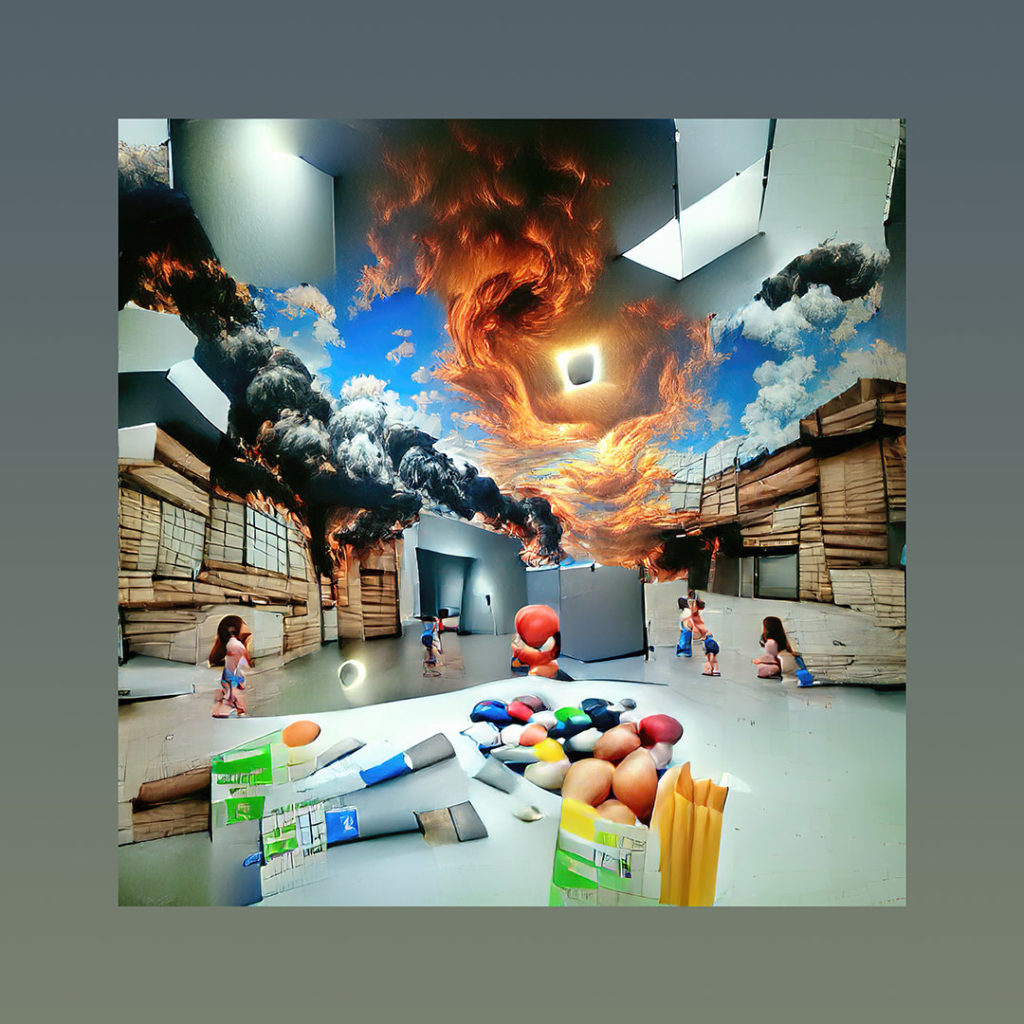
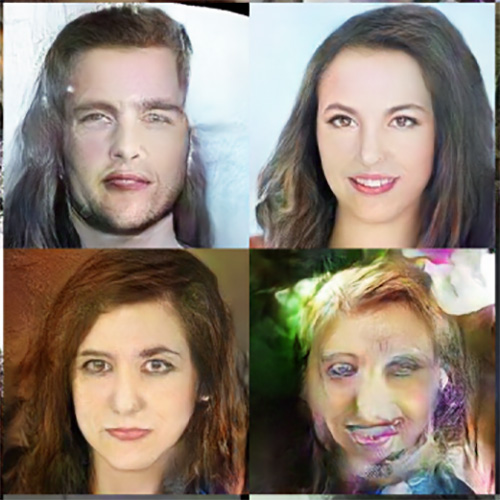
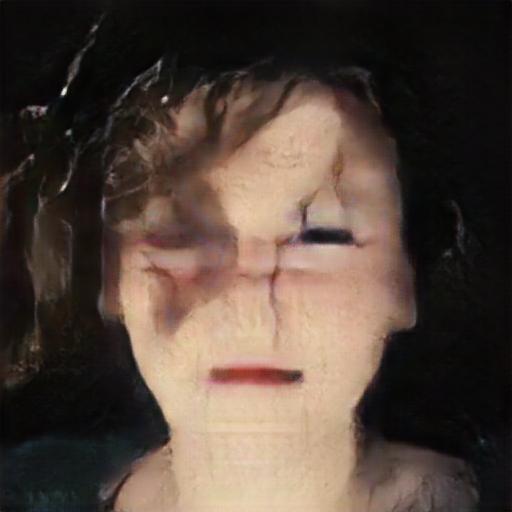
L’imagination artificielle désigne la capacité des réseaux de neurones à produire automatiquement des images, des sons et des textes à partir des données massives accumulées sur le web. Le concept ne renvoie pas simplement à une imitation de la créativité humaine : il introduit une ambiguïté productive entre ce que la machine imagine et ce que nous imaginons à propos de la machine, liant ces deux phénomènes de manière inextricable. L’imagination n’est plus ramenée à l’expression d’une intériorité subjective, mais au simple fait de produire des images — ce qui déstabilise les privilèges traditionnellement accordés à l’imagination humaine. Techniquement, ce processus repose sur la compositionnalité : la capacité à agencer de manière cohérente des paramètres issus d’un calcul statistique sur des données. Les résultats ne sont pas le fruit d’une inspiration, mais d’une hyperproduction de possibles. Ce que révèle cette automatisation, c’est moins le génie de la machine que la médiocrité moyenne de l’imagination humaine, rendue lisible par les prompts que nous lui soumettons. L’imagination artificielle n’est donc pas une menace de remplacement, mais un miroir critique tendu à l’anthropologie.
–
Artificial imagination refers to the ability of neural networks to automatically produce images, sounds, and texts from the vast data accumulated on the web. The concept does not simply describe an imitation of human creativity: it introduces a productive ambiguity between what the machine imagines and what we imagine about the machine, linking these two phenomena inextricably. Imagination is no longer tied to the expression of a subjective interiority, but reduced to the bare act of producing images — which destabilizes the privileges traditionally granted to human imagination. Technically, this process relies on compositionality: the ability to coherently arrange parameters derived from statistical computation on data. The results are not the fruit of inspiration, but of a hyperproduction of possibilities. What this automation reveals is less the genius of the machine than the mediocre average of human imagination, made legible through the prompts we submit to it. Artificial imagination is therefore not a threat of replacement, but a critical mirror held up to anthropology.