
Perfect Skin XIX
Images générées par intelligence artificielle
Impression sur papier fine art
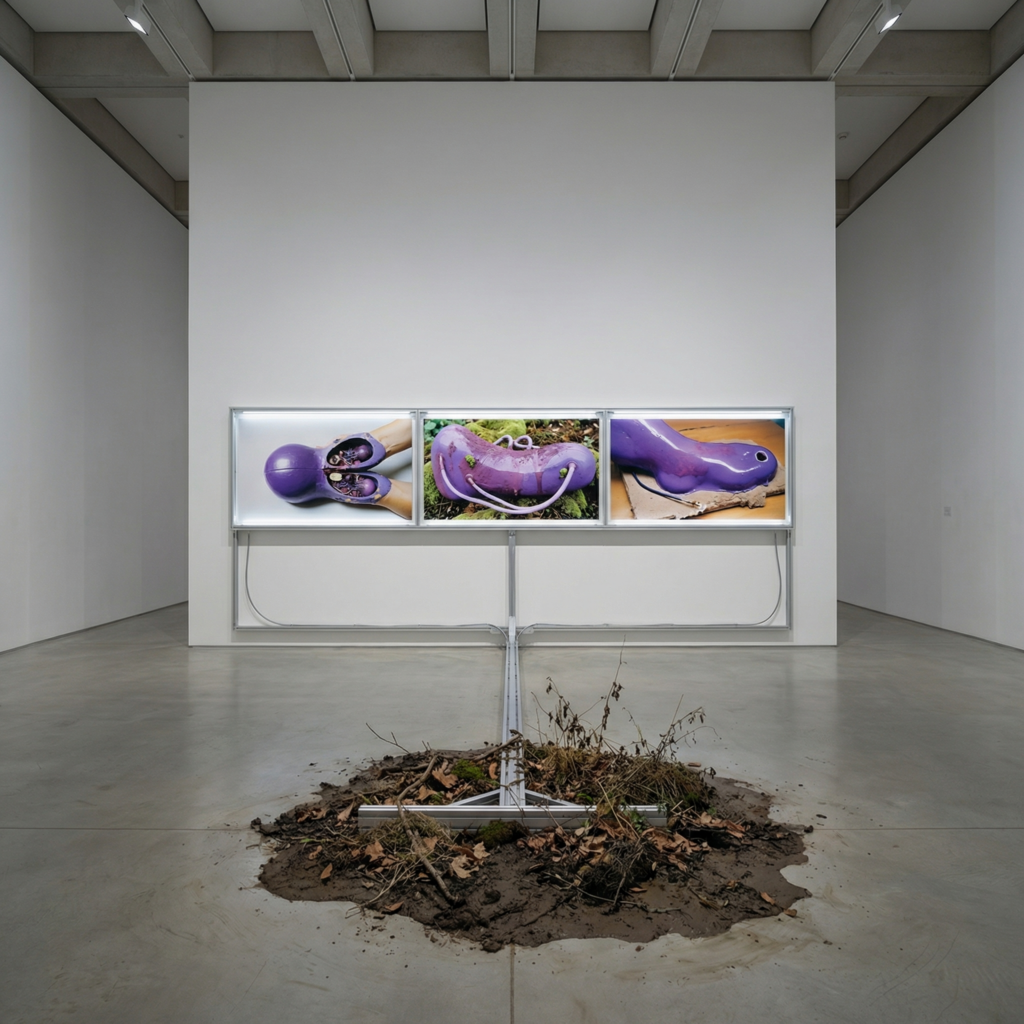
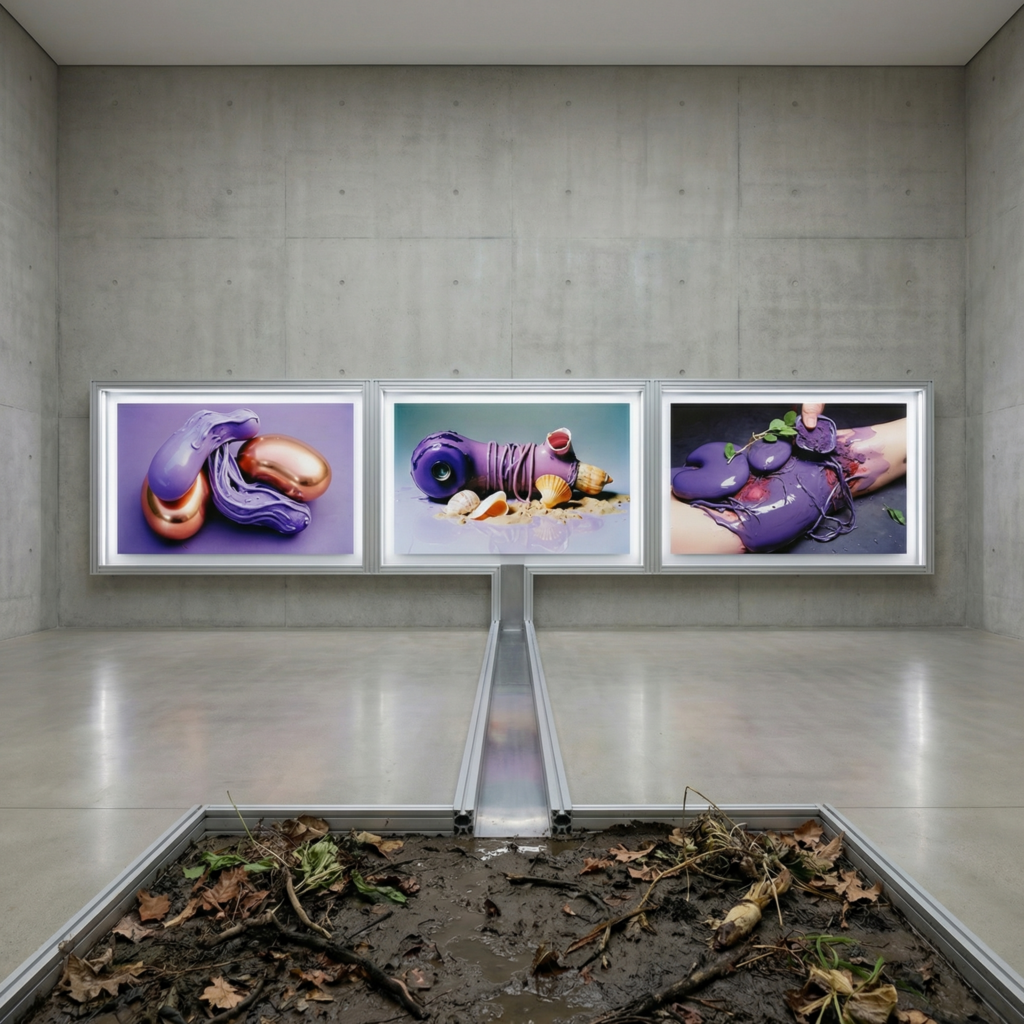
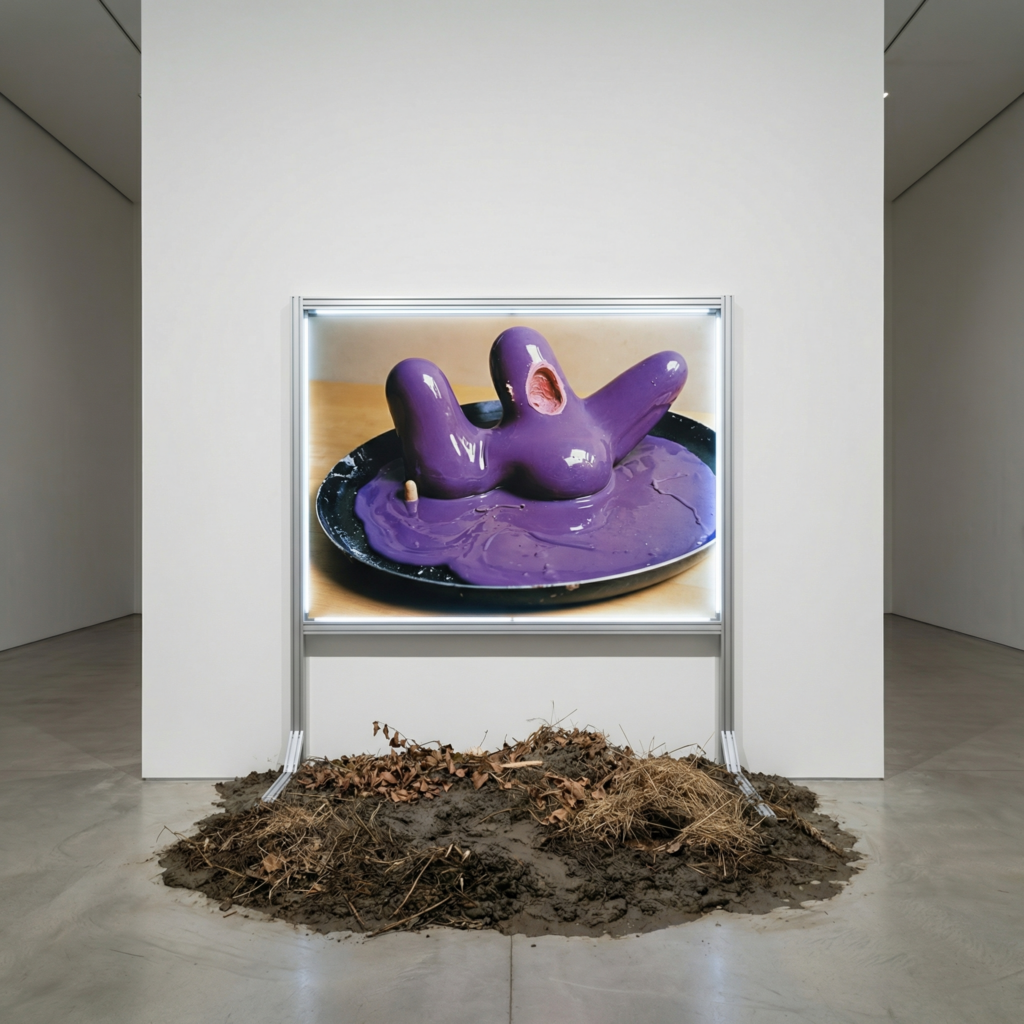
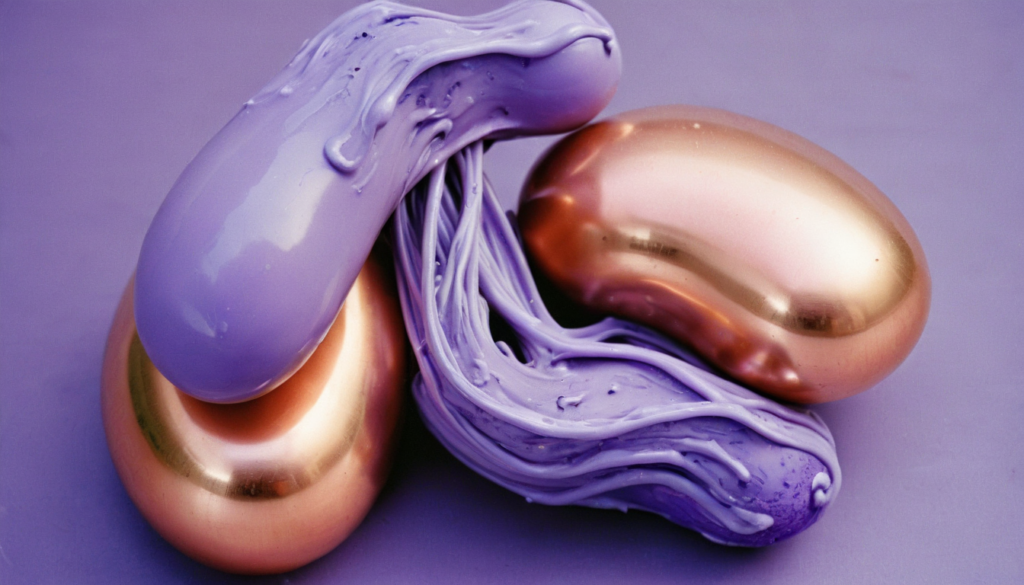

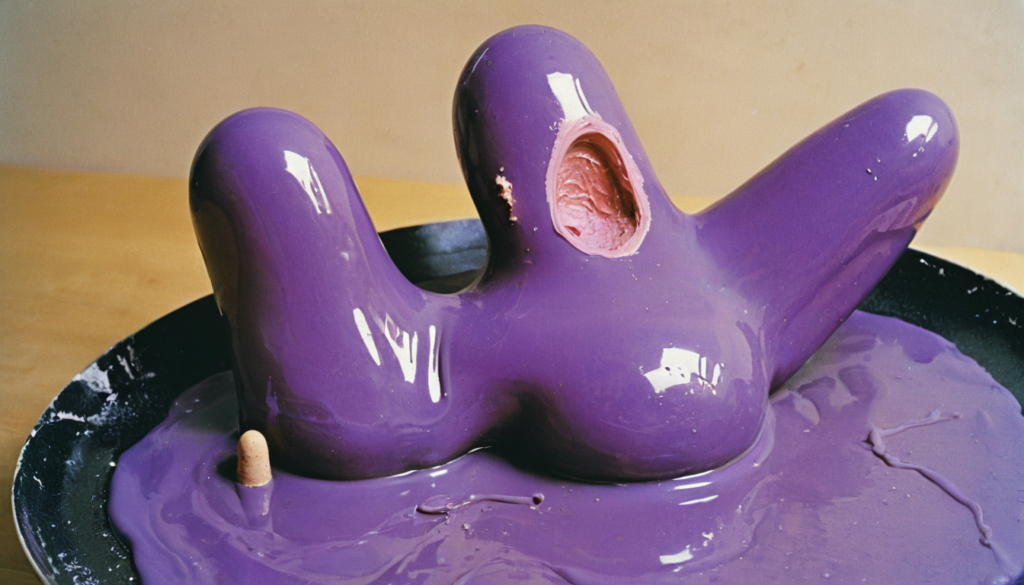

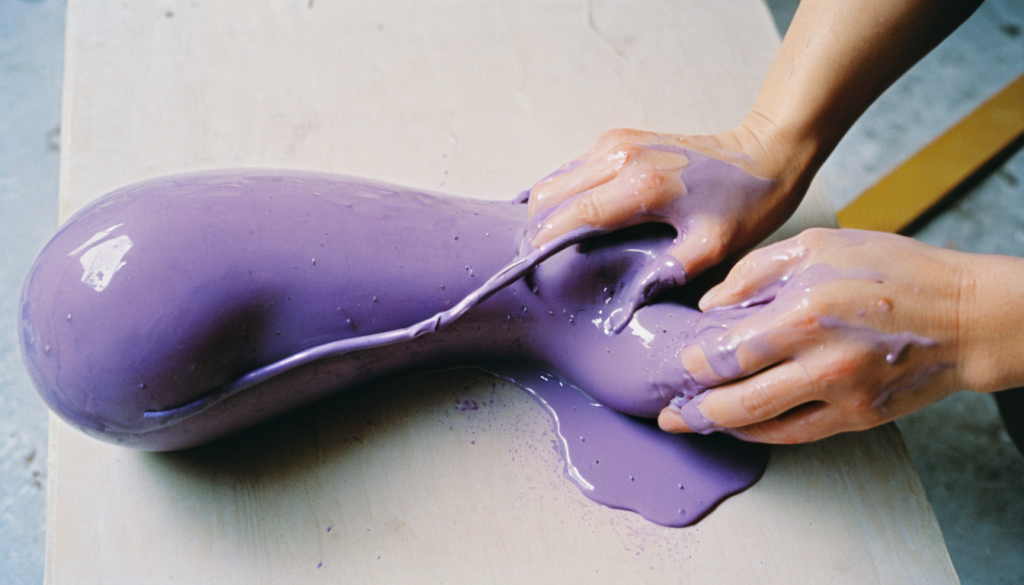
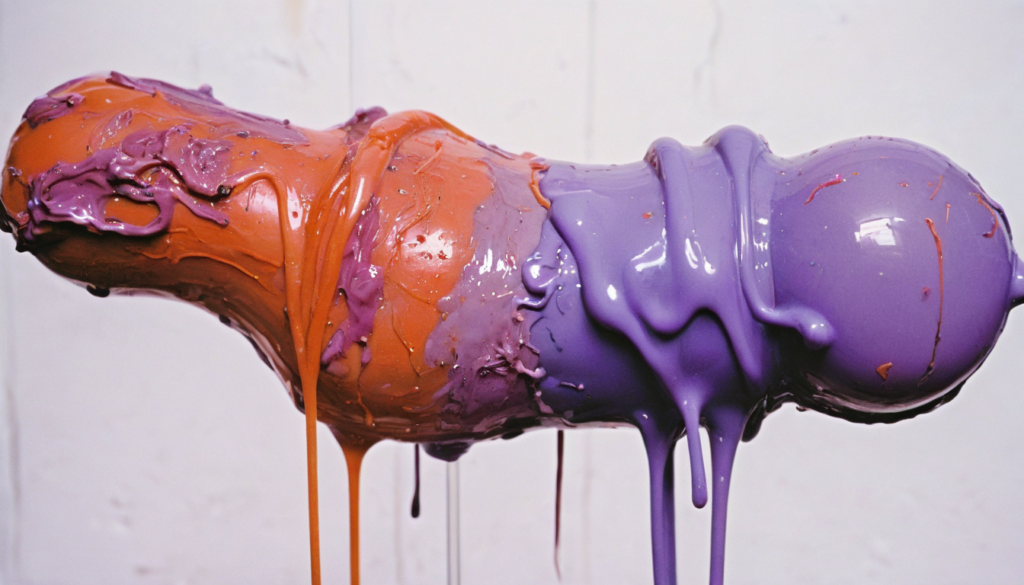
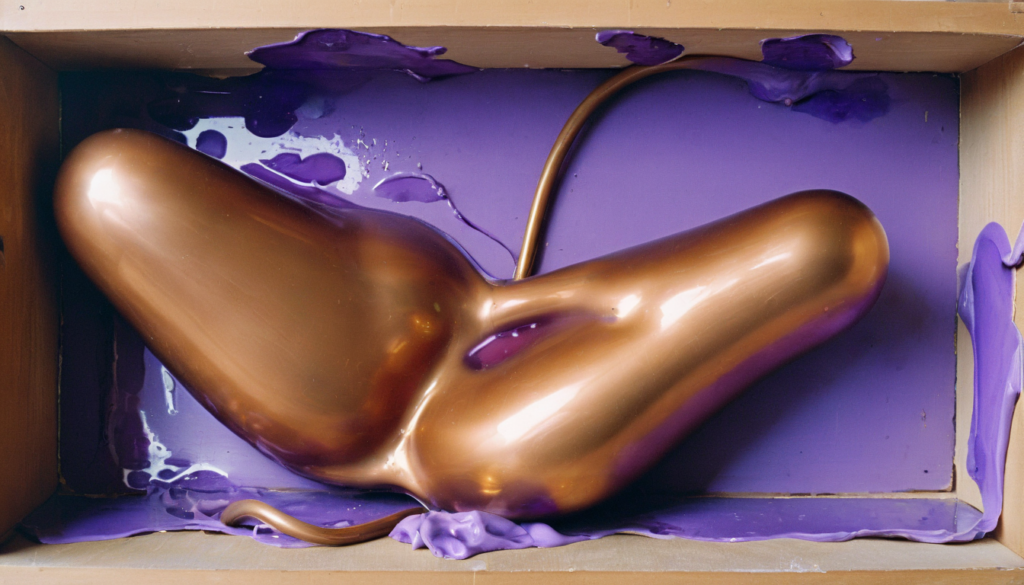

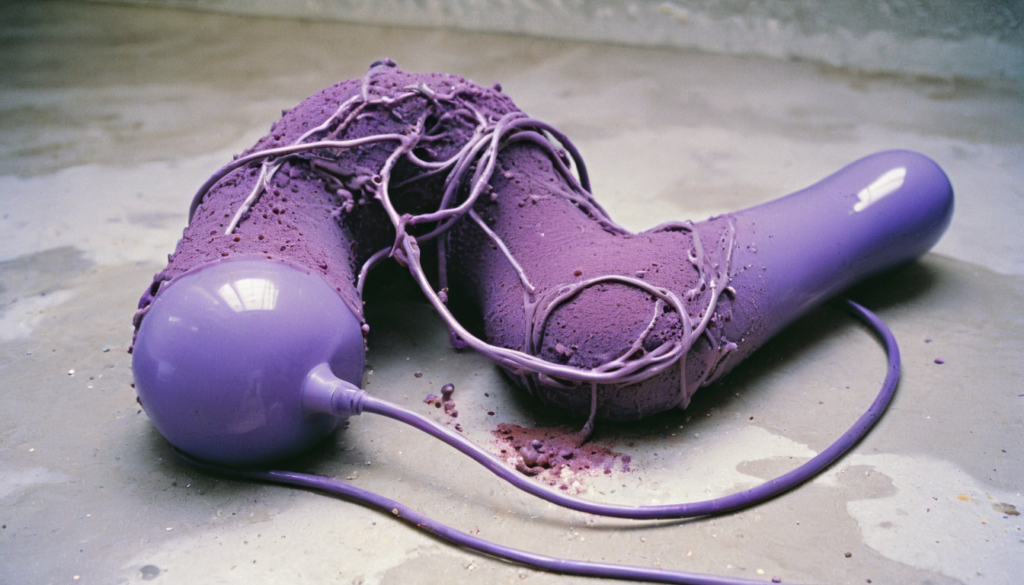
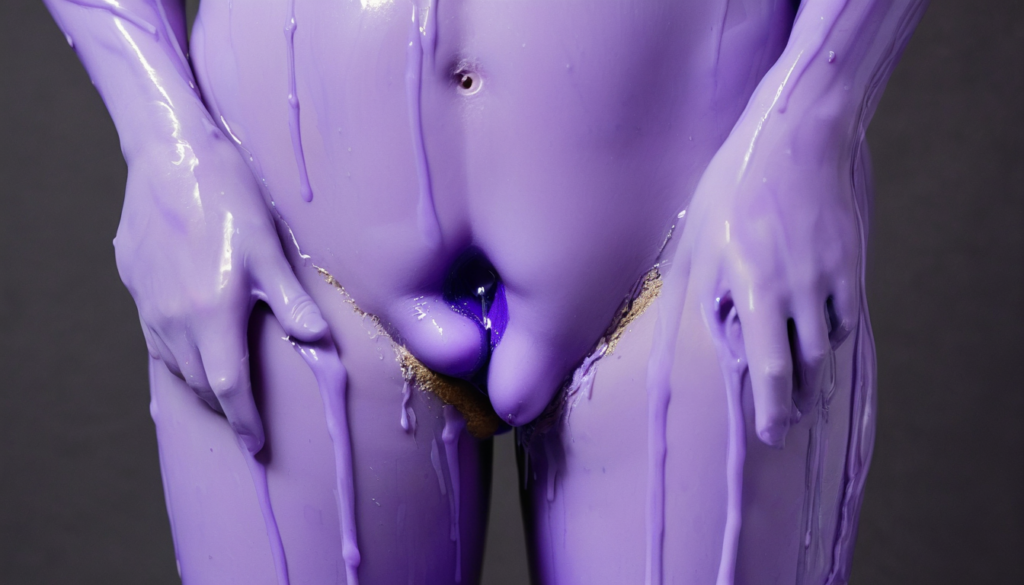
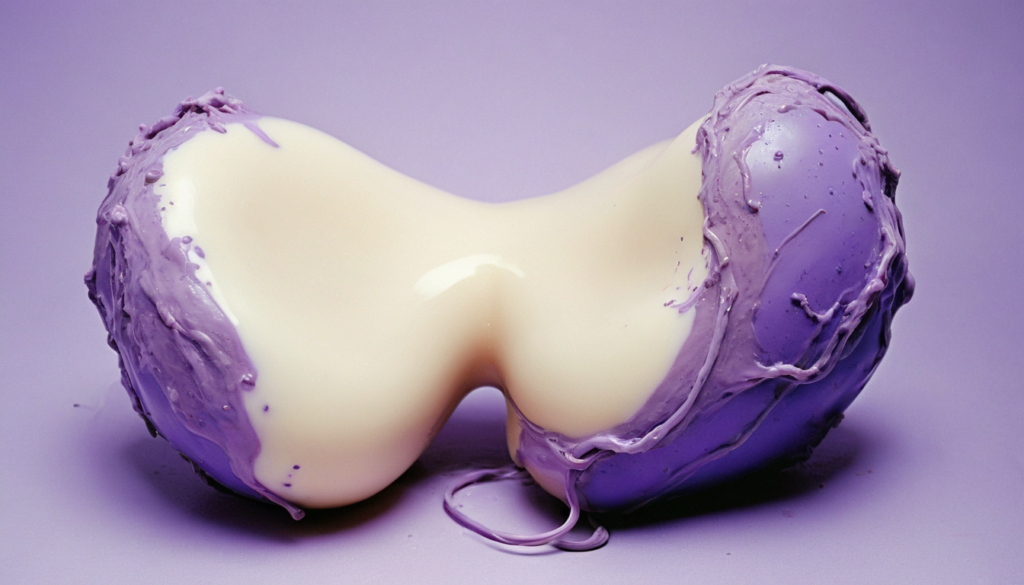
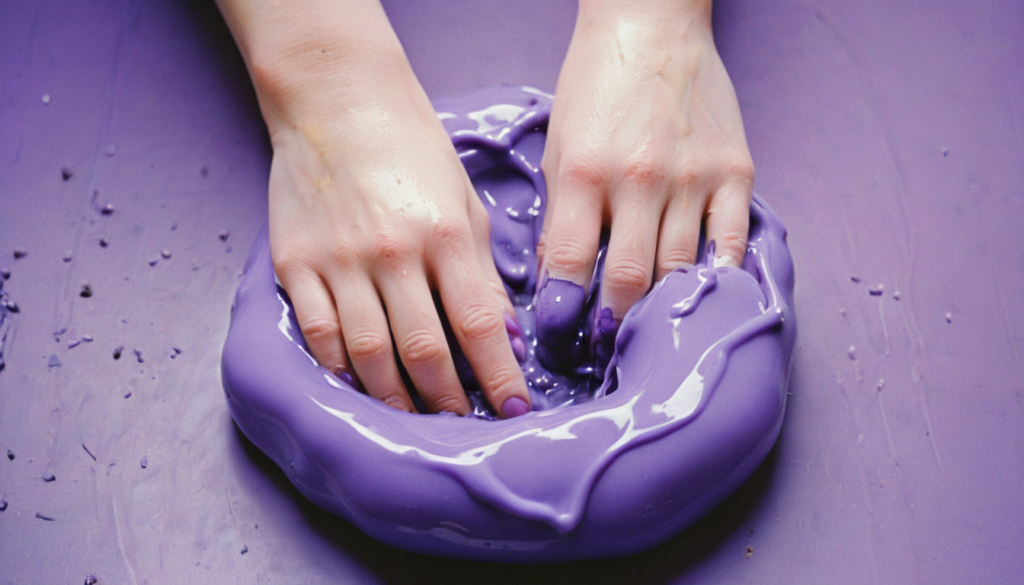

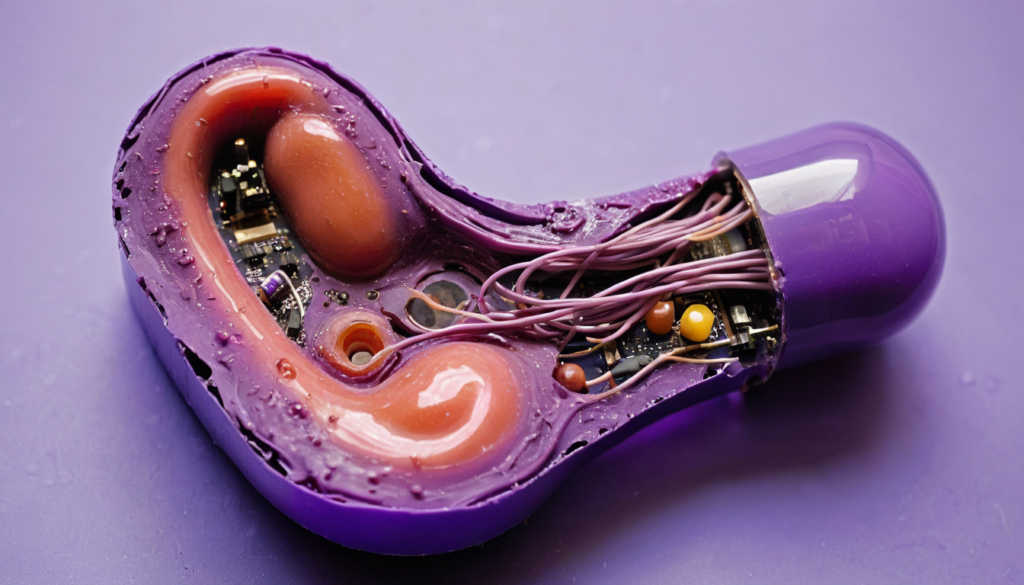

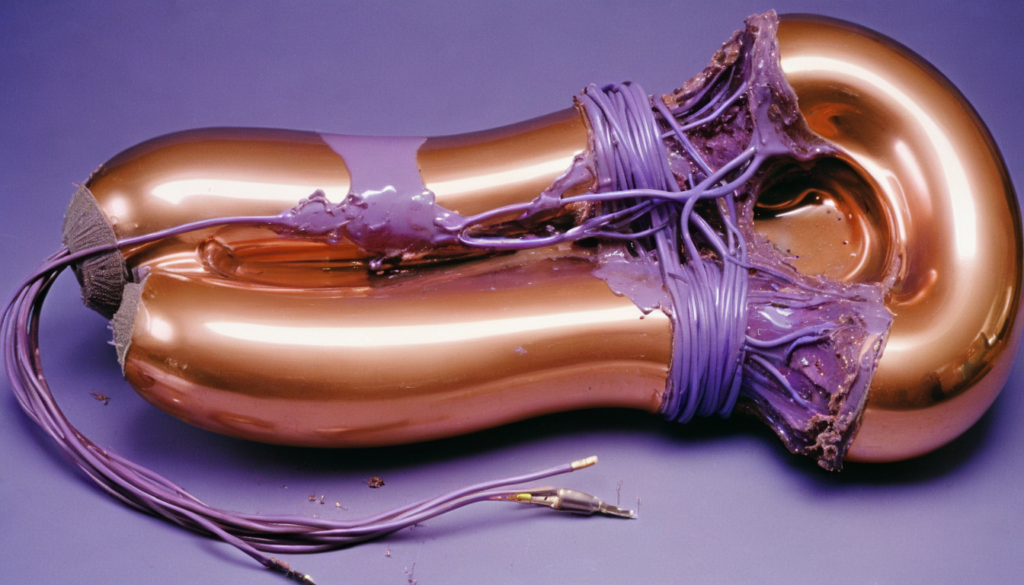
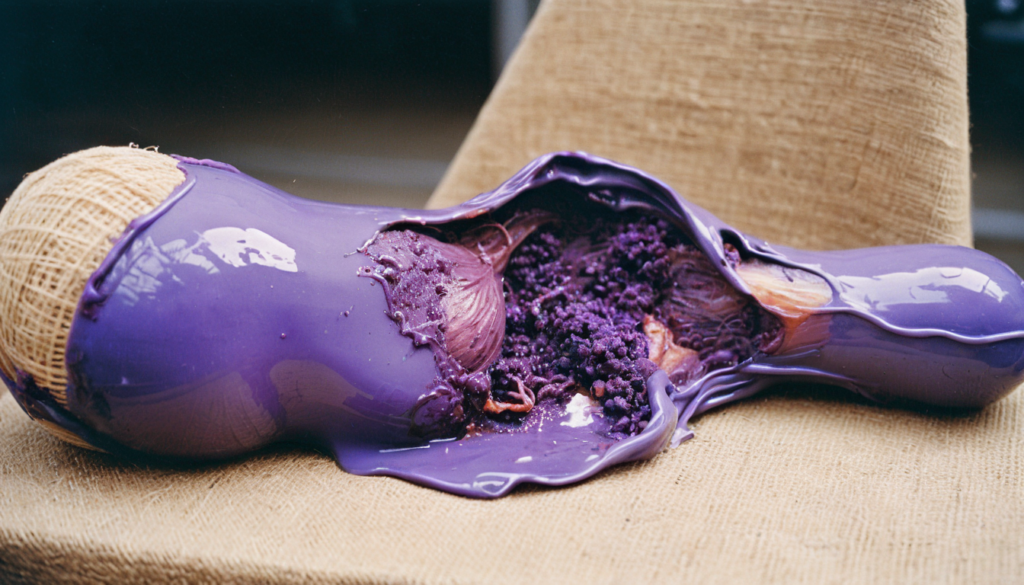
Cette série d’images générées par intelligence artificielle interroge la tradition hylémorphique – conception aristotélicienne selon laquelle toute chose résulte de l’union d’une matière (hylè) et d’une forme (morphè). L’artiste explore la relation entre le corps humain et une matière malléable aux teintes violacées, mettant en scène différentes étapes d’un processus de façonnage imaginaire.
Dans un paradoxe conceptuel, ces représentations du travail artisanal sont elles-mêmes produites par un système algorithmique qui n’a jamais fait l’expérience tactile du modelage. Le processus traditionnel où l’artisan impose une forme à la matière est ainsi simulé par une intelligence artificielle qui opère sans contact physique avec le monde.
Les compositions évoquent autant le geste créateur que l’anatomie et la dissection, comme si l’IA tentait d’imaginer simultanément la surface et l’intérieur d’une matière qu’elle ne peut concevoir que visuellement. Cette exploration imaginaire évoque tant les sculptures classiques que les planches anatomiques médicales, traduisant une curiosité artificielle pour la substance et la structure.
Cette œuvre questionne les fondements de la création artistique à l’ère numérique et la possibilité d’une “connaissance” de la matière par des systèmes informatiques qui, paradoxalement, génèrent des images imitant le rapport corporel et technique au matériau qu’ils ne pourront jamais expérimenter.
This series of images generated by artificial intelligence questions the hylomorphic tradition—Aristotle’s conception that everything results from the union of matter (hylè) and form (morphè). The artist explores the relationship between the human body and a malleable material with purplish hues, depicting different stages of an imaginary shaping process.
In a conceptual paradox, these representations of craftsmanship are themselves produced by an algorithmic system that has never experienced the tactile sensation of modeling. The traditional process, in which the craftsman imposes a form on the material, is thus simulated by artificial intelligence that operates without physical contact with the world.
The compositions evoke both the creative gesture and anatomy and dissection, as if AI were attempting to simultaneously imagine the surface and interior of a material that it can only conceive of visually. This imaginary exploration evokes both classical sculptures and medical anatomical plates, reflecting an artificial curiosity about substance and structure.
This work questions the foundations of artistic creation in the digital age and the possibility of “knowledge” of matter by computer systems which, paradoxically, generate images that mimic the physical and technical relationship with the material that they will never be able to experience.