
Sous terre
Site Internet interactif, archives numériques
Dimensions variables
Production: RATP
Avec: Sofie Nicolas, Gael Guyon
Collection: RATP
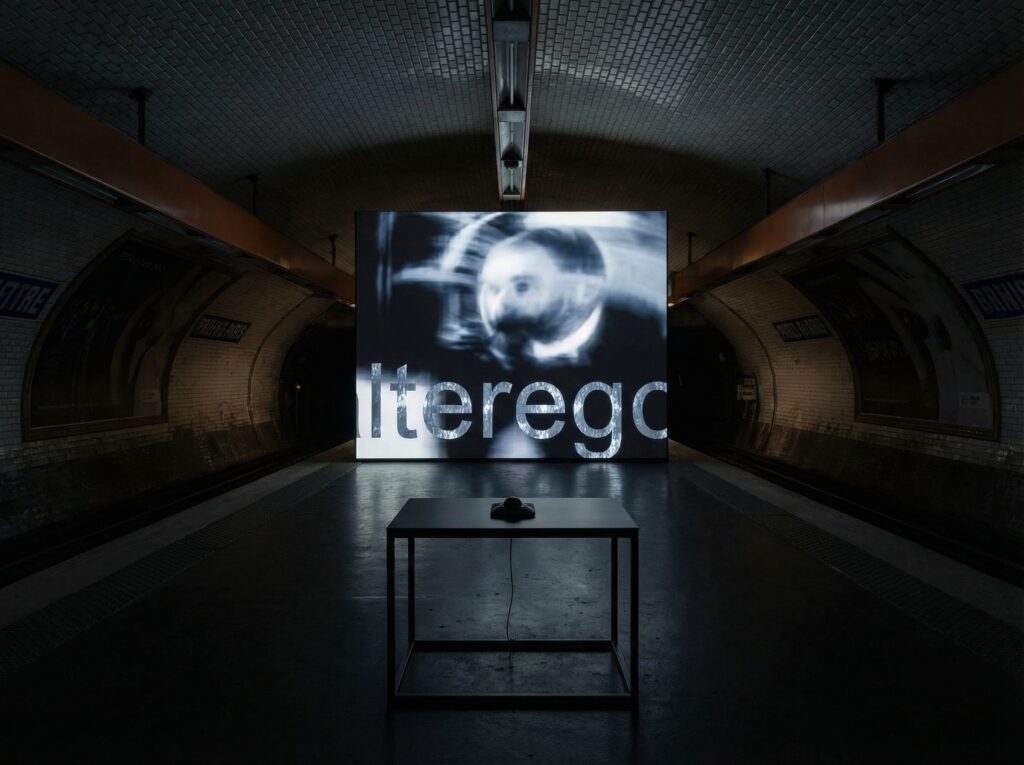
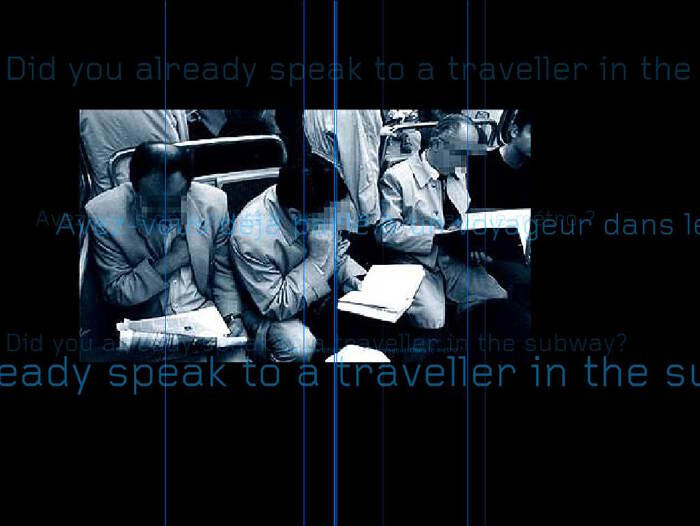
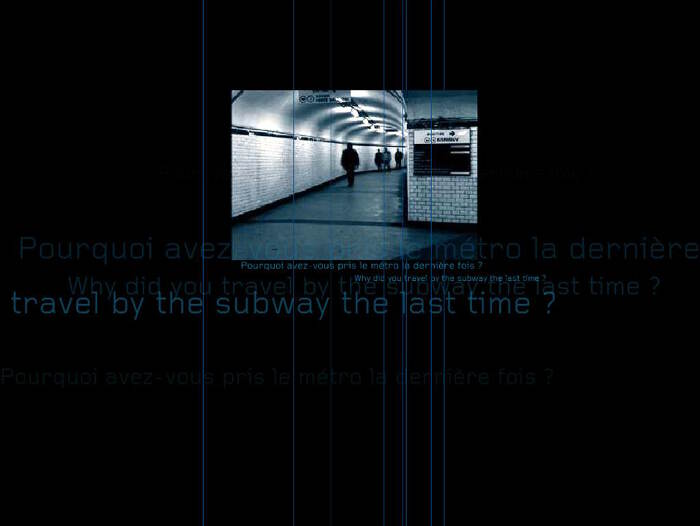
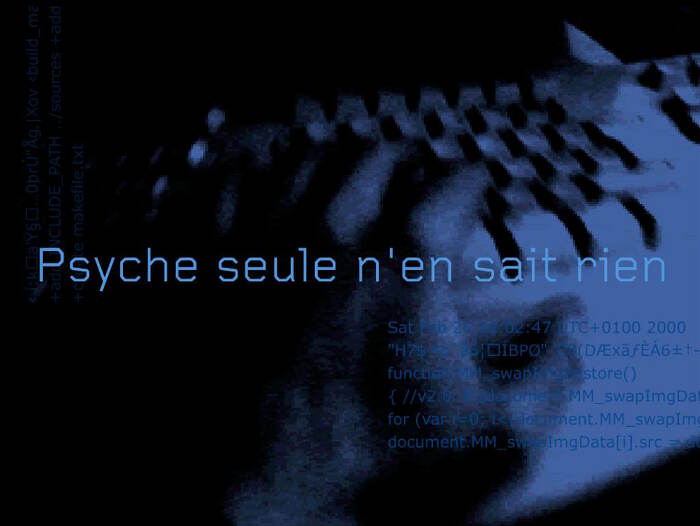
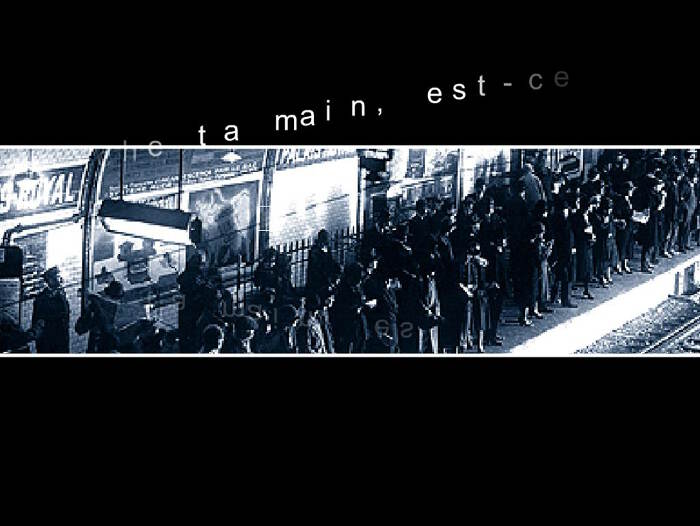
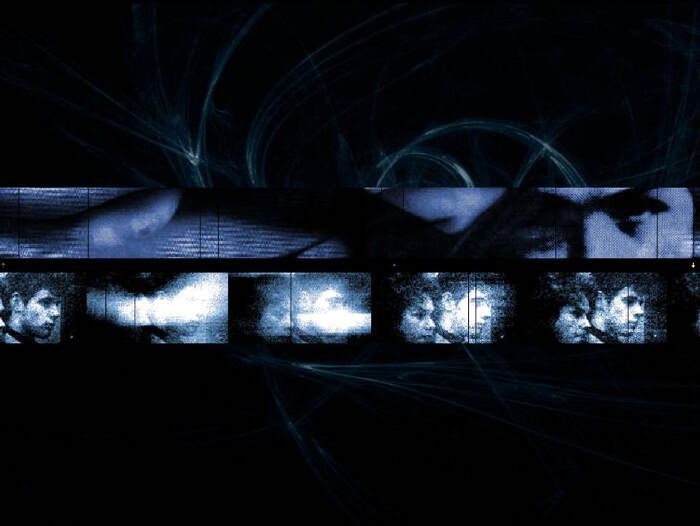
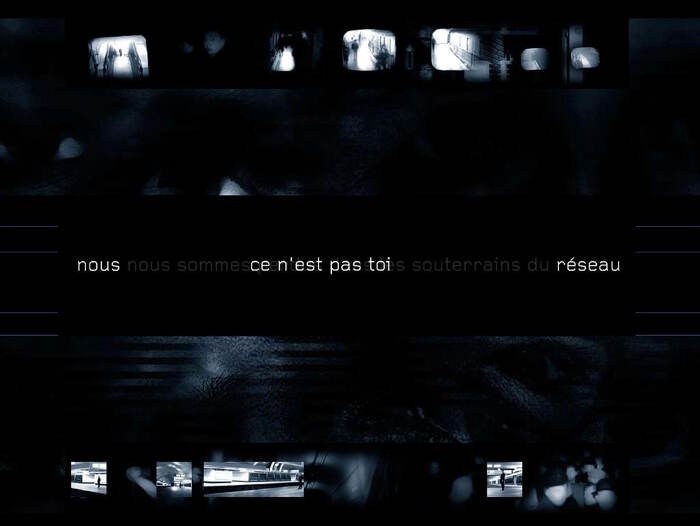
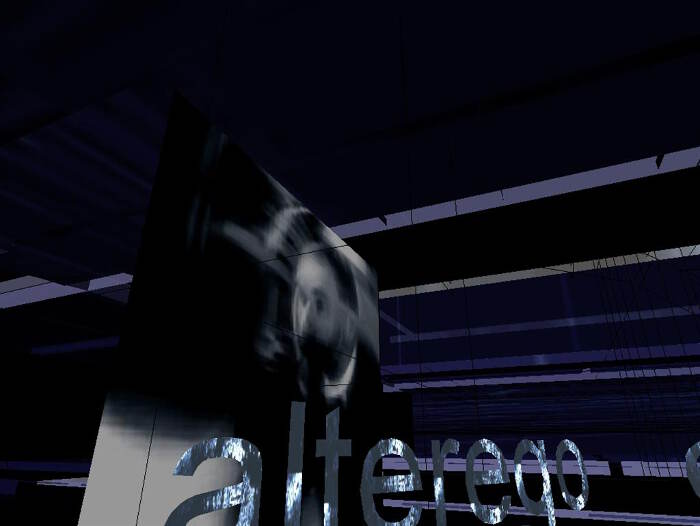
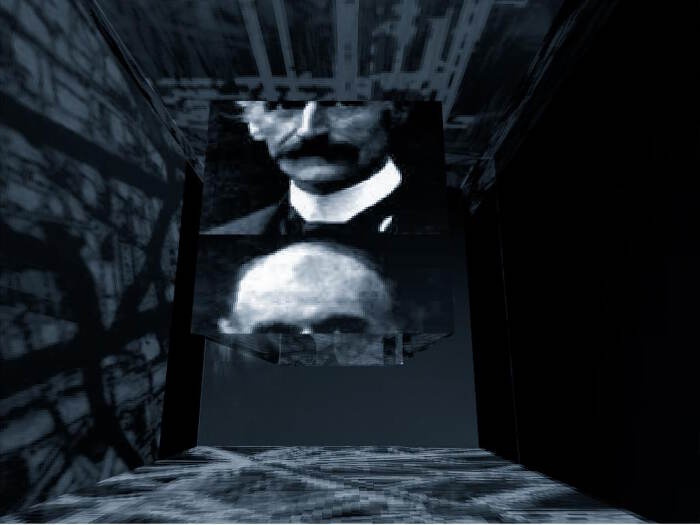
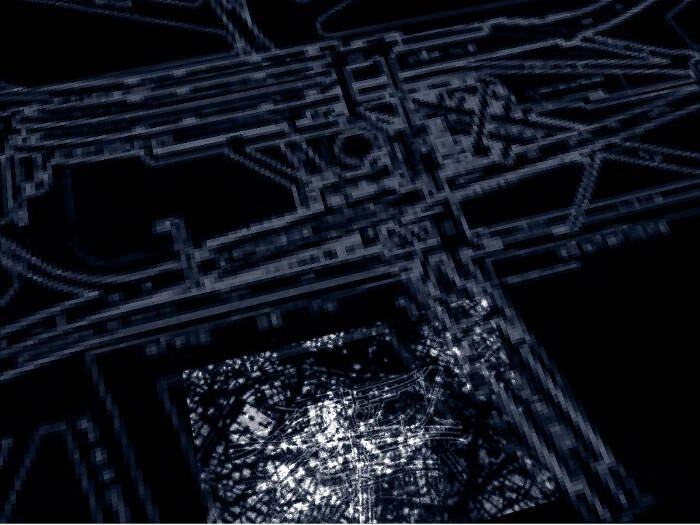
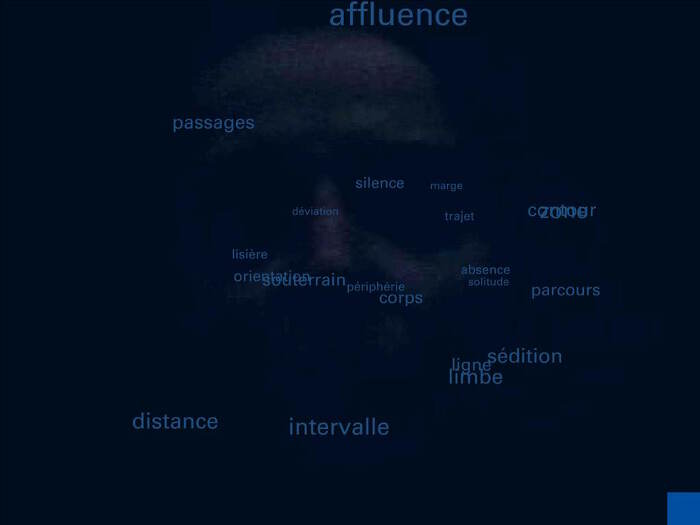
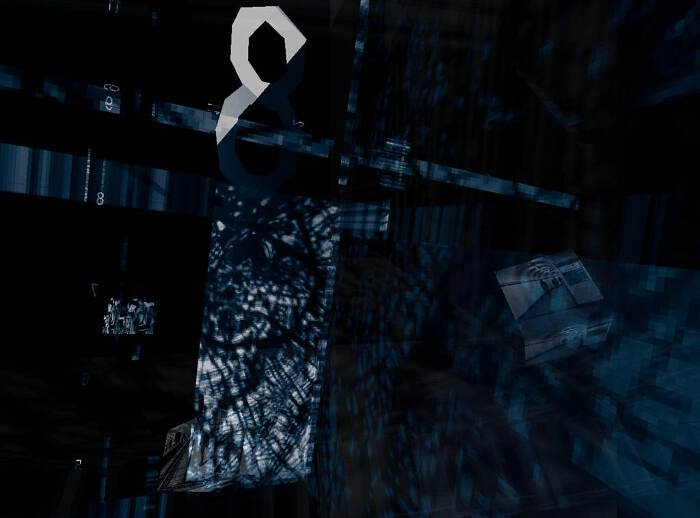
Cette œuvre en ligne, créée à l’occasion du centenaire du métro parisien, constitue une exploration interactive de la mémoire collective et individuelle associée à ce réseau souterrain.
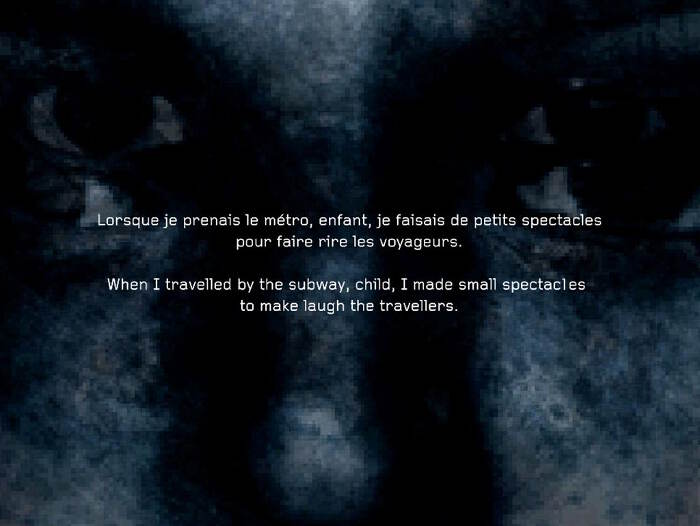
Le dispositif numérique mobilise et organise les archives iconographiques de la RATP selon différentes catégories thématiques: quais, incidents, voyageurs, infrastructures. Le projet intègre une dimension participative en permettant aux internautes de contribuer à une base de données de souvenirs personnels liés au métro. Cette accumulation de témoignages anonymes génère progressivement une narration collective qui oscille entre document historique et construction fictionnelle.
L’œuvre révèle ainsi une cartographie mémorielle de cet espace urbain souterrain, habituellement traversé sans attention particulière. Par cette démarche archivistique et contributive, le projet rend visible l’histoire officielle et les micro-récits qui constituent la densité sociale et culturelle du métro parisien.
This online work, created for the centenary of the Paris Metro, constitutes an interactive exploration of the collective and individual memory associated with this underground network.
The digital system mobilizes and organizes the RATP’s iconographic archives according to various thematic categories: platforms, incidents, passengers, and infrastructure. The project incorporates a participatory dimension by allowing internet users to contribute to a database of personal memories related to the metro. This accumulation of anonymous testimonies progressively generates a collective narrative that oscillates between historical document and fictional construction.
The work thus reveals a memorial mapping of this underground urban space, which is typically traversed without particular attention. Through this archival and contributory approach, the project renders visible both official history and the micro-narratives that constitute the social and cultural density of the Paris Metro.