
Segments
Tableaux générés par algorithme
100x100cm
Collection privée
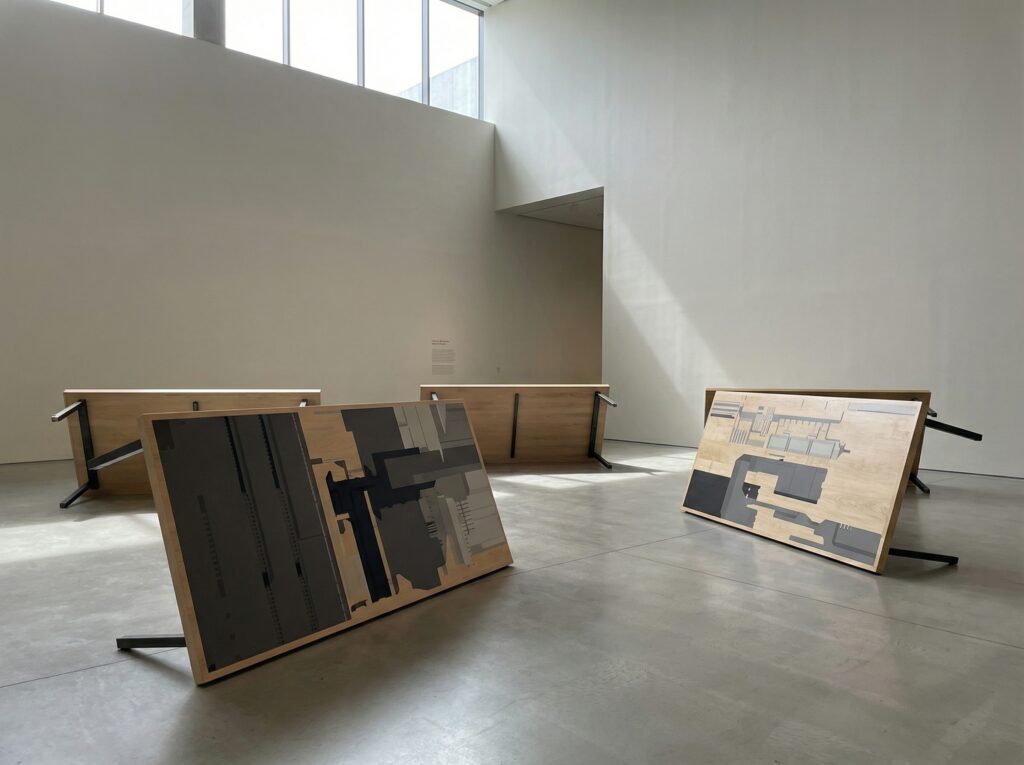
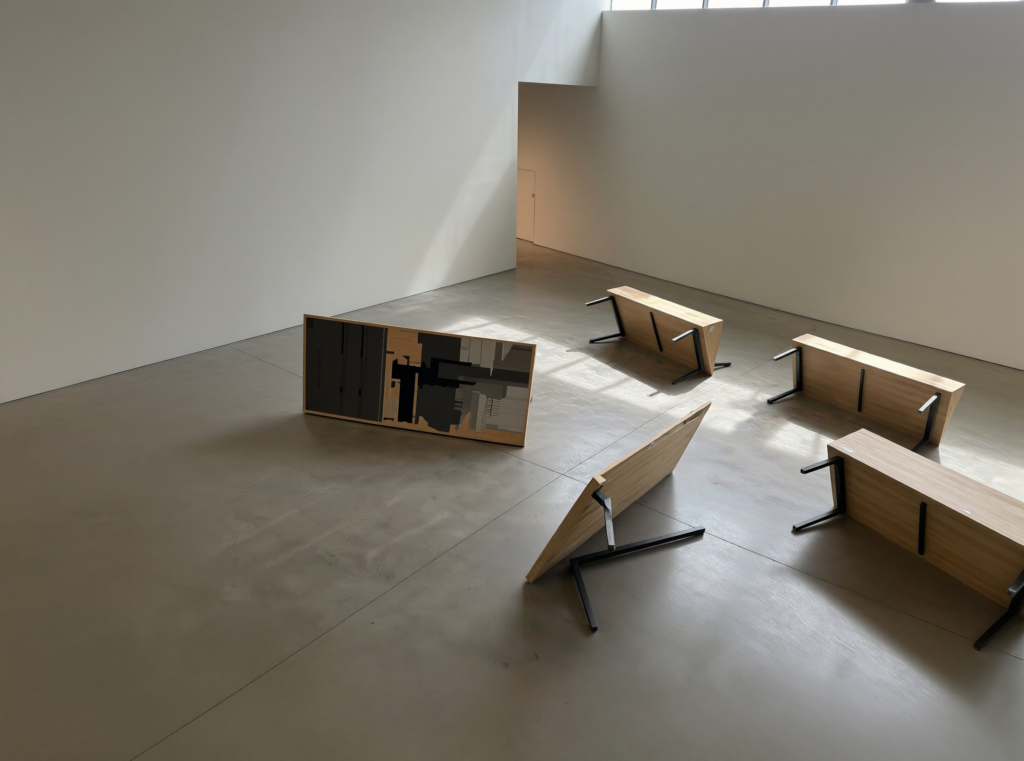
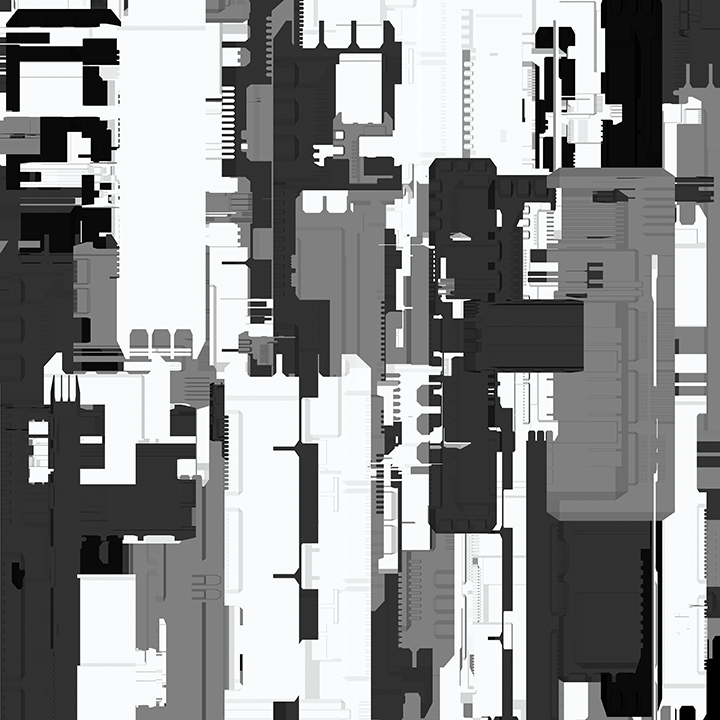
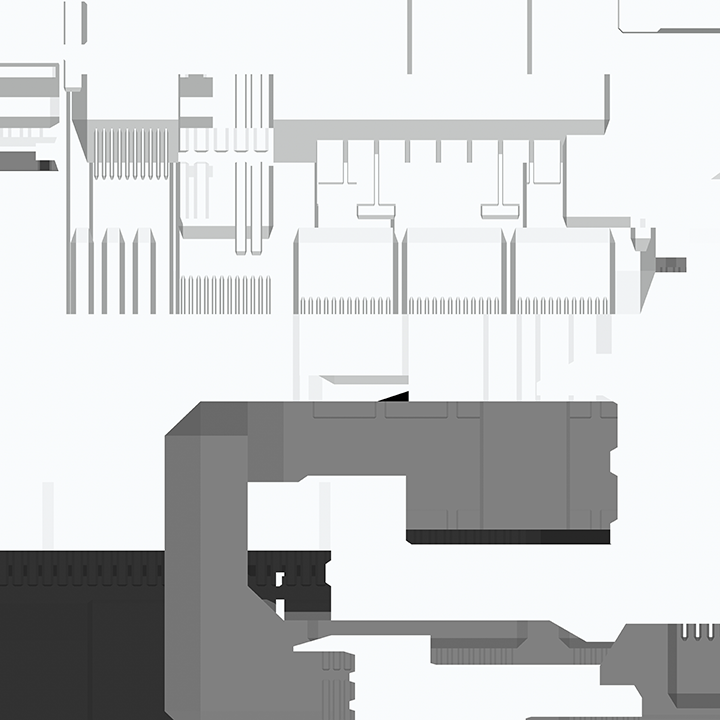
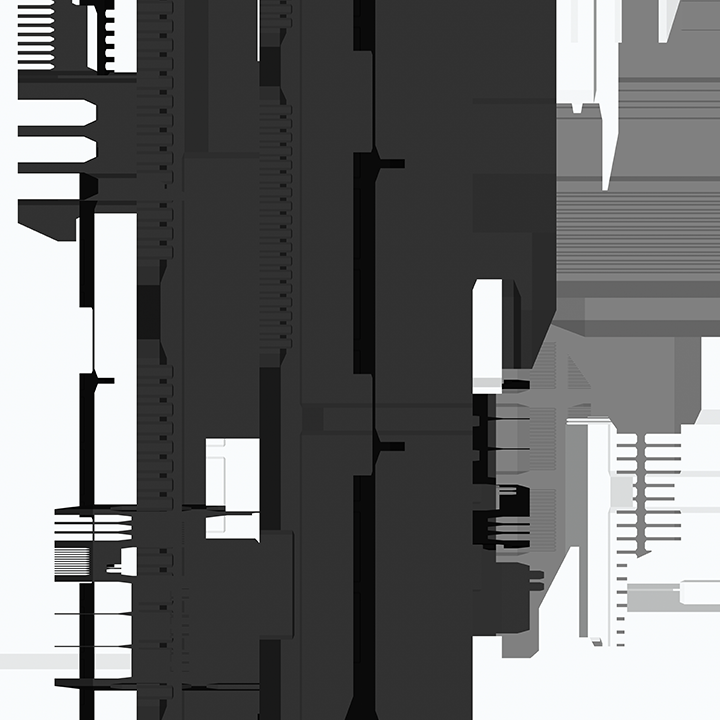
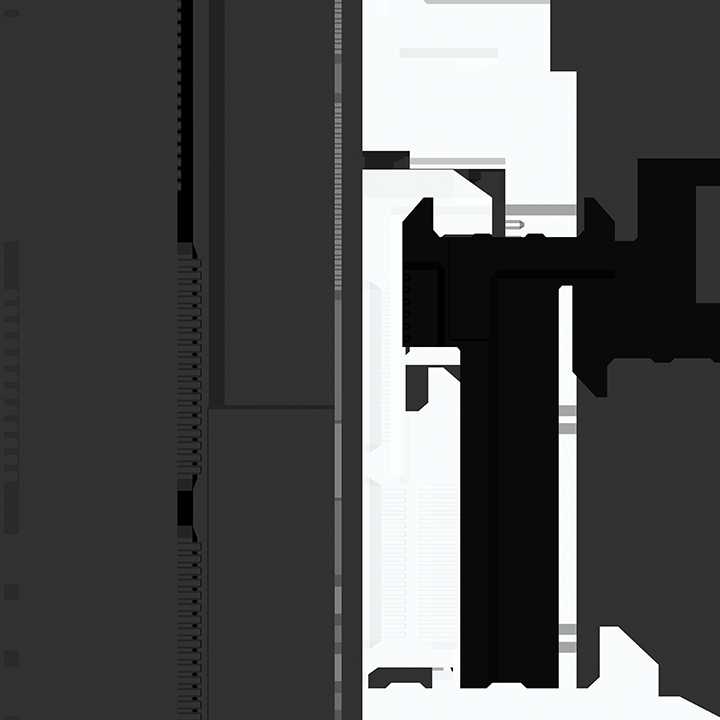
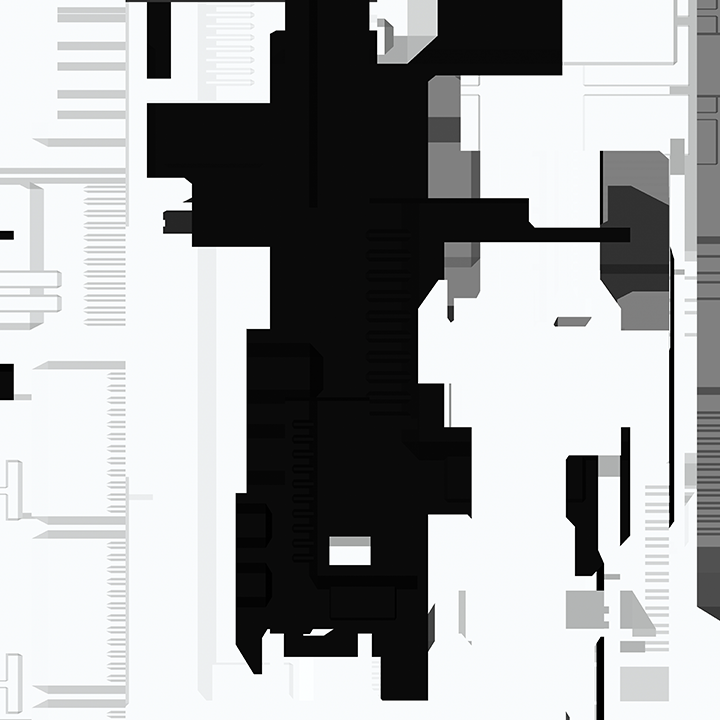
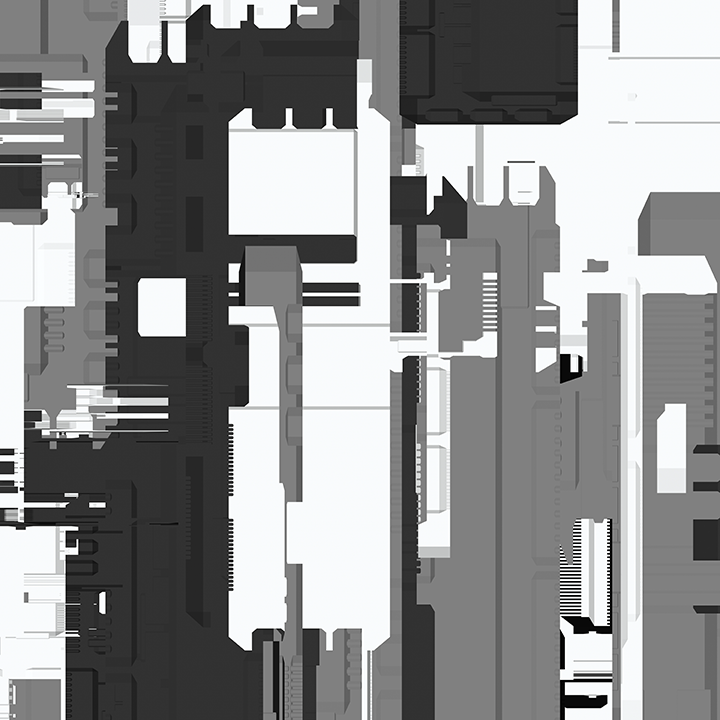
Cette série présente des tableaux entièrement conçus par un programme informatique. L’artiste a développé un algorithme capable de générer des compositions visuelles autonomes, sans intervention humaine directe dans le processus de création final.
Le système génératif intègre différents paramètres qui définissent les possibilités et contraintes formelles de chaque œuvre. Si la programmation initiale relève des choix de l’artiste, l’exécution du code produit des résultats qui conservent une part d’imprévisibilité, chaque tableau constituant une occurrence unique d’un ensemble de possibles déterminés par l’algorithme.
Cette approche s’inscrit dans une généalogie qui remonte aux premières expérimentations d’art algorithmique des années 1960, tout en exploitant les capacités computationnelles contemporaines. Le programme devient ici un collaborateur actif dans le processus créatif, brouillant les frontières traditionnelles entre conception et exécution.
L’œuvre interroge les notions d’autorialité et d’intention artistique à l’ère numérique. En déléguant la production visuelle à un système automatisé, elle questionne les critères d’originalité et d’expression personnelle habituellement associés à la peinture, tout en proposant une réflexion sur les nouvelles modalités de création issues de la programmation informatique.
This series presents paintings created entirely by a computer program. The artist developed an algorithm capable of generating autonomous visual compositions without direct human intervention in the final creative process.
The generative system incorporates various parameters that define the formal possibilities and constraints of each work. While the initial programming is determined by the artist’s choices, the execution of the code produces results that retain an element of unpredictability, with each painting constituting a unique occurrence of a set of possibilities determined by the algorithm.
This approach is part of a genealogy that dates back to the first experiments in algorithmic art in the 1960s, while exploiting contemporary computational capabilities. Here, the program becomes an active collaborator in the creative process, blurring the traditional boundaries between design and execution.
The work questions the notions of authorship and artistic intention in the digital age. By delegating visual production to an automated system, it questions the criteria of originality and personal expression usually associated with painting, while offering a reflection on the new modes of creation resulting from computer programming.