Tag / complétion
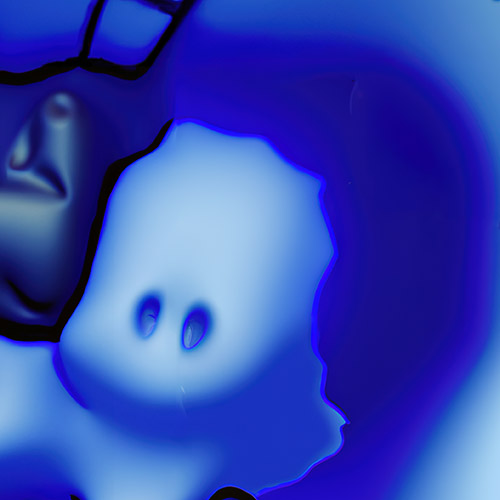
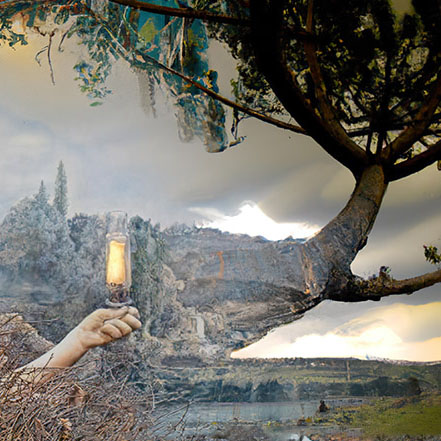
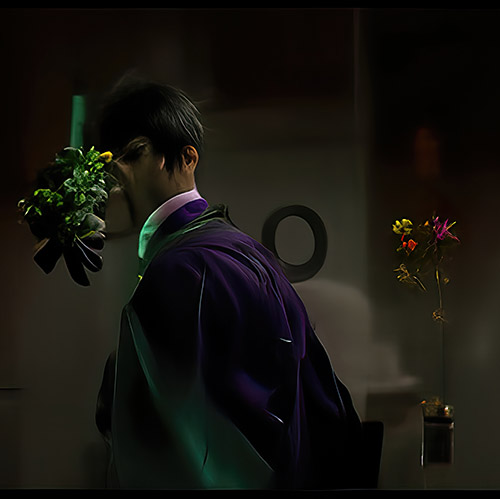
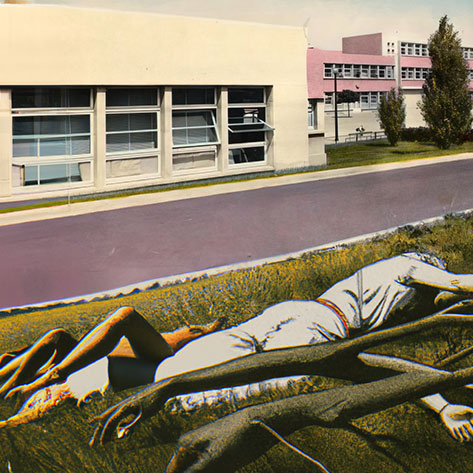
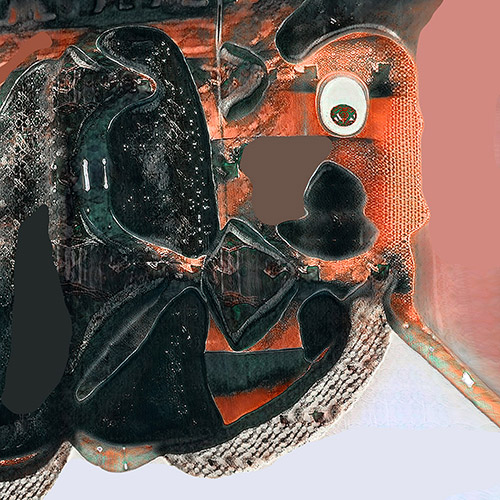
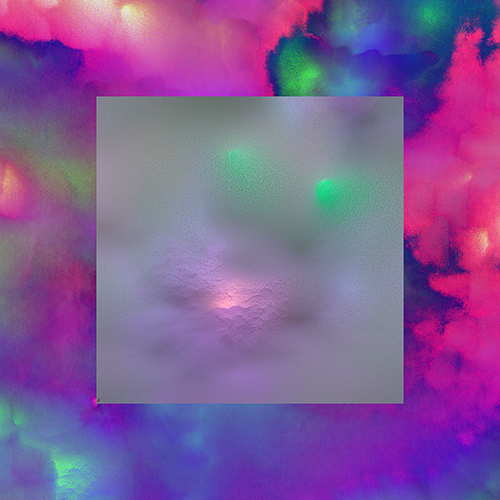
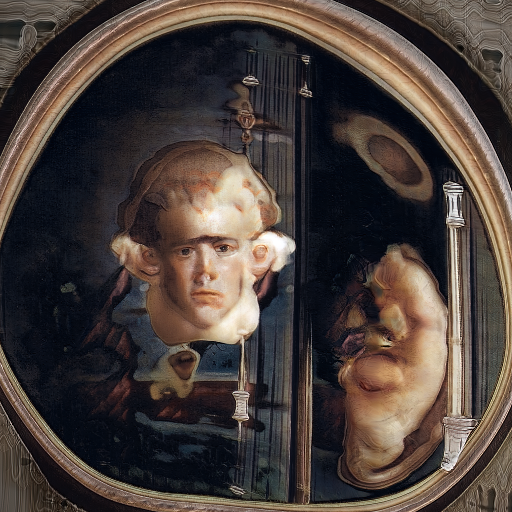
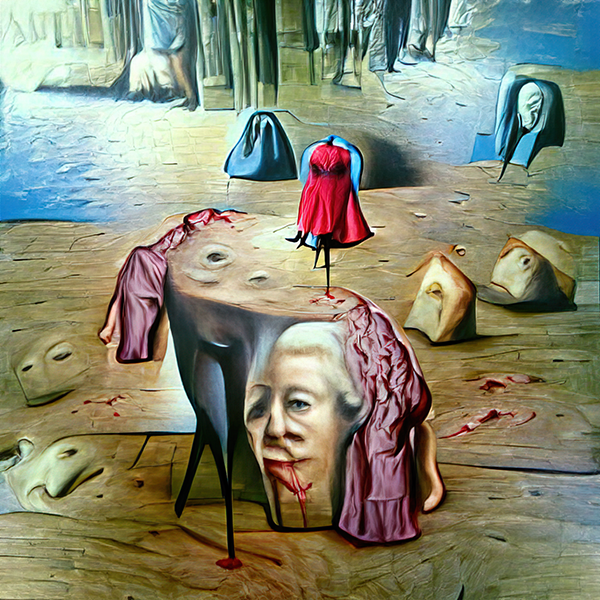
La complétion désigne l’opération par laquelle une intelligence artificielle répare, prolonge et génère des alternatives à ce qui existe ou a existé. Ce n’est pas une restauration au sens classique — ramener une œuvre à son état originel — mais une instauration : un retour au présent du passé par sa contrefactualisation. L’archive n’est plus un point fixe et indemne, mais un point mouvant que l’IA déplace en y intégrant ce qui aurait pu être. Techniquement, ce processus repose sur l’induction statistique : la machine apprend à reconnaître des formes, des styles, des structures, puis génère des continuations cohérentes qui mêlent époques, influences et catégories hétérogènes. Le résultat est réaliste sans être réel, familier sans être identique. La complétion questionne ainsi l’hypermnésie du web : dans un contexte de suraccumulation d’images et de données, elle propose de réparer et modifier l’histoire en la rendant indiscernable du simulacre. Elle révèle que l’artiste n’est pas le seul auteur de l’œuvre — la machine complète ce que la finitude humaine n’a pas pu accomplir, produisant un dialogue entre le passé authentique et des extensions fictives issues d’une mémoire artificielle.
–
Completion refers to the operation by which artificial intelligence repairs, extends, and generates alternatives to what exists or has existed. It is not restoration in the classical sense — returning a work to its original state — but an instauration: a return of the past to the present through its counterfactualization. The archive is no longer a fixed, intact origin, but a moving point that AI displaces by integrating into it what could have been. Technically, this process relies on statistical induction: the machine learns to recognize forms, styles, and structures, then generates coherent continuations that blend periods, influences, and heterogeneous categories. The result is realistic without being real, familiar without being identical. Completion thus questions the hypermnesia of the web: in a context of image and data overaccumulation, it proposes to repair and modify history until it becomes indiscernible from the simulacrum. It reveals that the artist is not the sole author of the work — the machine completes what human finitude could not accomplish, producing a dialogue between the authentic past and fictional extensions drawn from artificial memory.